

Pediatric ECG Clinic in Tampa, FL
Pediatric Electrocardiogram (ECG) is a quick, painless test that records the electrical signals of a child’s heart to evaluate its rhythm and function. This test is essential for detecting arrhythmias, diagnosing congenital heart defects, and investigating the root cause of symptoms like chest pain, fainting, or rapid breathing in children. Our board-certified pediatrician, Julia Barriga, M.D. P.A., provides pediatric care by offering accessible ECG testing to ensure timely diagnoses and individualized treatment plans for their young patients. For more information, contact us or request an appointment online. We are conveniently located at 5001 East Busch Blvd Tampa, FL 33617.
Check Our Offers

ECGs
Now Only $50!

ECGs
Now Only $50!
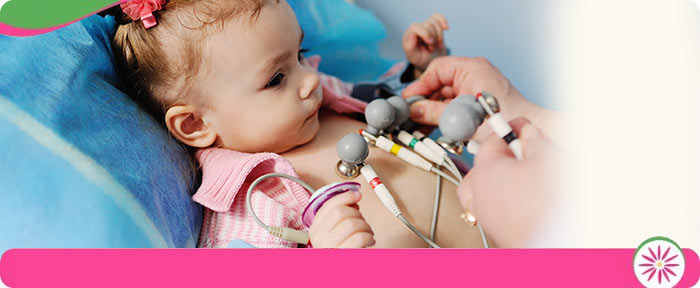

Table of Contents:
What is a pediatric ECG, and what does it measure?
Why might a child need an ECG test?
What symptoms may indicate the need for a pediatric ECG?
How should parents prepare their child for an ECG appointment?
How long does a pediatric ECG take, and what can families expect during the test?
What can parents expect when visiting Julia Barriga, M.D., P.A., for pediatric ECG testing in Tampa, FL?
Pediatric electrocardiogram (ECG) is a non-invasive, quick, and painless test that helps us measure and record the electrical activity of your child’s heart. While similar to adult ECGs, pediatric ECGs are specially adapted for children, considering their smaller body size and naturally faster heart rates.
During your visit, our caring team will gently place electrodes on your child’s chest, arms, and legs. These electrodes detect the electrical signals generated with each heartbeat, which are then displayed as waves on a monitor. By analyzing these patterns, Dr. Julia Barriga and her team can assess your child’s heart rhythm, rate, and overall electrical function.
A pediatric ECG can help identify a variety of cardiac concerns, including arrhythmias, heart enlargement, congenital heart defects, and other potential issues. Early detection is key to effective management and treatment. Our commitment is to provide comprehensive, compassionate care, ensuring your child’s heart is healthy and strong.
If your child is experiencing symptoms such as chest pain, palpitations, fainting, or unexplained shortness of breath, an ECG can help us determine if an abnormal heart rhythm (arrhythmia) or other cardiac issue is present.
We may also suggest an ECG if your child has a known heart condition, a family history of heart disease or sudden cardiac death, or is taking medications that could affect heart function. In these cases, the test allows us to carefully monitor for any structural or electrical problems in the heart.
Additionally, Dr. Barriga and her team sometimes perform ECGs before certain surgical procedures or as part of a sports physical, especially if there are any concerns about your child’s heart health. The information gathered from an ECG helps us make informed decisions about your child’s care, ensuring their safety and well-being.
Pediatric electrocardiogram (ECG) helps us evaluate your child’s heart health when certain symptoms or risk factors are present.
Our experienced pediatric team may recommend an ECG if your child experiences symptoms such as unexplained chest pain—especially during physical activity—or has frequent episodes of dizziness or fainting (syncope). We may also suggest an ECG evaluation for palpitations, or sensations of a racing or irregular heartbeat.
We also pay close attention to signs like persistent difficulty breathing, unusual fatigue, or poor exercise tolerance, which means your child becomes tired more easily than other children. In infants and younger children, subtle indicators such as poor feeding, excessive sweating, or failure to thrive can signal underlying heart concerns.
At Julia Barriga M.D. P.A., we also take family history seriously. If there is a known history of inherited heart conditions or sudden cardiac death in your family, we may recommend an ECG—even if your child does not show any symptoms—to proactively assess for potential heart issues.
If your child is scheduled for an electrocardiogram (ECG), a little preparation can help the appointment go smoothly and calmly.
How to Explain the ECG to Your Child:
You can tell your child that an ECG is a special test our doctors use to check how their heart is working. Let them know that during the test, they will need to lie still as we place small stickers (called electrodes) on their chest, arms, and legs. These stickers are connected to soft wires, which help our team record their heart’s activity.
Tips for Your Visit:
• Dress your child in loose, comfortable clothes that can easily be adjusted or removed from the chest area.
• Bringing a favorite toy, blanket, or comfort item is welcome and can help your child feel more secure during their ECG.
• If your child has sensitive skin or allergies to adhesives, please let our staff know ahead of time so we can make any necessary accommodations.
• Try to keep your child relaxed and distracted with gentle conversation or their favorite book or game before and during the appointment.
At Julia Barriga M.D. P.A., your child’s heart health is a top priority. One of the important diagnostic tools we use is the pediatric electrocardiogram (ECG or EKG). This quick and painless test measures the electrical activity of your child’s heart, helping us detect any irregularities or monitor ongoing heart conditions.
What to Expect During Your Visit:
When you bring your child for an ECG, the entire process typically takes just 5 to 10 minutes. Our caring team will guide you and your child every step of the way. First, we’ll ask your child to lie comfortably on our exam table. To ensure the best results, a nurse or technician will gently clean small areas on your child’s chest, arms, and legs before attaching soft, sticky electrode pads. These pads are completely safe and may feel a bit cool from the cleaning gel.
The electrodes are connected to our ECG machine, which records the heart’s natural electrical signals in just a few seconds. The test is entirely painless—your child won’t feel a thing except for perhaps the coolness of the gel or the sensation of the sticky pads. We encourage parents to stay with their child throughout the procedure for additional comfort and reassurance.
After the Test:
Once the recording is complete, we’ll quickly remove the electrode pads, and your child can return to their regular activities right away. There is no downtime or risk involved with an ECG.
Getting the Results:
Dr. Barriga or a pediatric cardiologist will carefully review your child’s ECG results. We will discuss any findings with you and answer all your questions, ensuring you have peace of mind about your child’s heart health.
At Julia Barriga, M.D., P.A., in Tampa, FL, we understand that medical tests can be a source of anxiety for both children and their parents. Our team is committed to providing a warm, welcoming environment where your child’s comfort and well-being are our top priorities—especially during procedures like pediatric ECG testing.
Personalized Welcome and Check-In
When you arrive at our conveniently located pediatric office, our friendly staff will greet your family and assist you through a quick and easy check-in process. We’ll collect important details about your child’s medical history and the reason for the ECG, ensuring Dr. Julia Barriga and her team have a complete understanding of your child’s needs.
Kid-Friendly ECG Testing
A pediatric ECG (electrocardiogram) is a safe, non-invasive test that helps us evaluate your child’s heart health by recording its electrical activity. At Julia Barriga, M.D., P.A., our experienced pediatric team is specially trained to work with children of all ages. We gently explain each step to both you and your child, helping to alleviate any nerves or fears.
Your child will be asked to lie down while small, soft electrodes are placed on their chest, arms, and legs. These electrodes are connected to our ECG machine, which quickly and painlessly records the heart’s rhythm. Our team is attentive to your child’s comfort, often chatting with them or offering a favorite toy or distraction to make the experience as stress-free as possible.
Efficient, Compassionate Care
The ECG procedure typically takes just a few minutes, and your child can return to regular activities immediately afterward. Once the test is complete, Dr. Julia Barriga or another qualified pediatric provider will carefully review the results. We take the time to explain what the findings mean in clear, straightforward language and are always available to answer any questions you may have.
Next Steps and Support
If the ECG indicates a need for follow-up, our staff will guide you through the next steps, whether that means additional testing, a specialist referral, or simply monitoring your child’s heart health. At every stage, our focus is on supporting your child and your family with expert, compassionate pediatric care. For more information, contact us or request an appointment online. We are conveniently located at 5001 East Busch Blvd Tampa, FL 33617. We serve patients from Tampa FL, Terrace FL, Thonotosassa FL, Lutz FL, Greater Carrollwood FL, Lake Magdalene FL, Westchase FL, and Town ‘N’ Country FL.
Check Out Our 5 Star Reviews


Additional Services We Offer
- Dental Fluoride Varnish
- Newborn Care
- Vaccines/Immunizations
- Health Education & Counseling
- Physical Examinations
- Hearing & Vision Screening
- Management of Chronic Conditions
- Comprehensive Well Visits
- Asthma Management
- Diabetes Management
- ADD/ADHD Management
- Diagnostic Services
- Ear Piercing
- Prenatal Consults
- In House Lab Testing
- Get Acquainted Consults
- Covid Testing
- Flu Testing
- RSV Testing
- ECG
- Sports Physicals




 Send Text
 How May I Help You?