

Is My Child Suffering from Anxiety?
Determining if a child’s behavior stems from clinical anxiety requires the seasoned eye of a specialist like Dr. Julia Barriga. Through comprehensive behavioral screenings and personalized consultations, her practice helps families differentiate between temporary stress and anxiety disorders, providing a clear path forward for your child’s emotional health. For more information, please contact us or request an appointment online. We are conveniently located at 5001 East Busch Blvd Tampa, FL 33617.
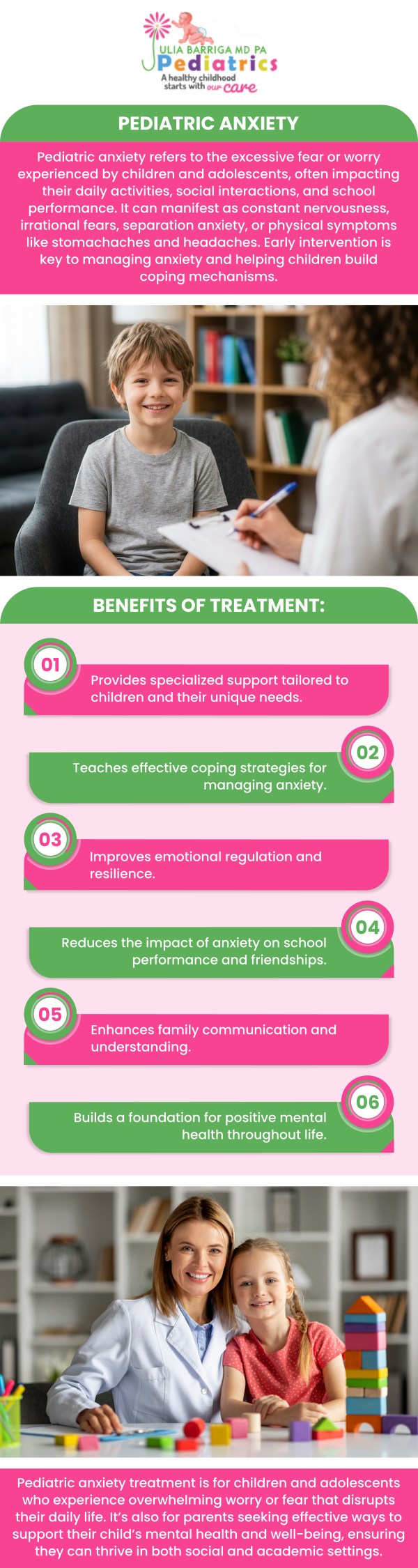
Table of Contents:
When does childhood anxiety become serious?
Can a pediatrician help identify anxiety in children?
What physical symptoms can anxiety cause in children?
Why does anxiety make it hard for children to concentrate?
Can Dr. Julia Barriga Help You Identify Pediatric Anxiety?
At Julia Barriga MD PA, we understand that childhood anxiety is a common part of growing up. Many children experience worries or fears at different stages, such as being nervous about separating from parents or feeling stressed about schoolwork and friendships. These feelings are usually temporary and a normal part of development.
However, anxiety can become a concern when it starts to interfere with your child’s daily activities and overall well-being. Key signs that anxiety may be more than a passing phase include intense, persistent worries that are difficult for your child to control. If these feelings last for weeks or months and occur most days, your child may be experiencing an anxiety disorder.
Serious anxiety can lead to avoidance behaviors, such as refusing to go to school, withdrawing from family and friends, or avoiding social activities. Physical symptoms—like frequent headaches, stomachaches, fatigue, trouble sleeping, or changes in appetite—can also indicate anxiety, especially when there is no clear medical cause. Emotional symptoms, such as irritability, frequent crying, or constantly seeking reassurance, may be present as well.
At Julia Barriga MD PA, we encourage parents to pay close attention if anxiety is affecting your child’s ability to function at home, in school, or with friends. If these worries cause significant distress, impact academic performance, or prevent your child from enjoying daily life, it may be time to seek professional support.
Our team is here to help. We offer compassionate evaluation and can guide your family toward the right resources—whether that means working with our providers, connecting you to counseling, or coordinating with your child’s school. Early intervention can make a significant difference in helping your child manage anxiety and achieve healthy development.
At Julia Barriga MD PA, our pediatric team is dedicated to caring for your child’s physical, emotional, and behavioral health. We understand that anxiety in children can sometimes be overlooked or mistaken for other issues. That’s why, during routine check-ups or whenever you have concerns, Dr. Barriga and her team take the time to ask about your child’s mood, behavior, sleep, school performance, and interactions with others.
If your child is showing signs such as excessive worry, irritability, trouble concentrating, difficulty sleeping, or frequent headaches and stomachaches without a clear medical cause, these could be indicators of anxiety. Our experienced pediatricians use their clinical expertise, along with screening tools and conversations with parents or caregivers, to help identify anxiety or related concerns.
At Julia Barriga MD PA, we are committed to early identification and intervention. If your child is experiencing anxiety, we can offer guidance on effective coping strategies, suggest helpful changes at home or school, and connect your family with trusted mental health specialists when needed. Supporting your child’s emotional well-being is a vital part of their overall health, and we are here to partner with you every step of the way.
At Julia Barriga MD PA, we understand that anxiety in children often presents in ways that can be mistaken for physical health problems. Many of our young patients come to us with frequent headaches or stomachaches that don’t have a clear medical cause. Some children may feel nauseous or even vomit when they’re stressed. Others might complain about muscle aches, feel tense, or notice their heart beating faster than usual. Shortness of breath, dizziness, trembling, and excessive sweating are also common signs we see in our practice.
Sleep problems, including difficulty falling asleep or waking up often during the night, are another way anxiety can show up in children. Fatigue and changes in appetite—either eating much more or much less than normal—are also frequent complaints among anxious kids. You may also notice habits like nail biting, hair twirling, or picking at their skin.
We encourage parents to pay attention to these symptoms. Often, children are not able to express their anxious feelings directly, and physical complaints may be the first sign that something is wrong. If your child is experiencing any of these symptoms, our team is here to help with compassionate evaluation and guidance. Early recognition and support can make a big difference in your child’s well-being.
At Julia Barriga MD PA, we understand how significantly anxiety can impact a child’s ability to concentrate, both at home and in the classroom. As a pediatric practice, we see firsthand how anxiety affects children’s brains and bodies, often leading to challenges with focus, learning, and overall wellbeing.
When a child experiences anxiety, their brain enters a heightened state of alertness—commonly known as the “fight or flight” response. While this response is meant to protect us in dangerous situations, it can become overwhelming in everyday life. The stress hormones released during anxiety, such as cortisol and adrenaline, can make it difficult for children to concentrate on their schoolwork or daily tasks.
Many children who struggle with anxiety also experience physical symptoms like stomachaches, headaches, or a racing heart. These symptoms can be distracting and make it even harder to focus, both in and out of the classroom. Over time, persistent anxiety can lead to irritability and avoidance behaviors, like daydreaming or fidgeting, which further disrupt attention and learning.
At Julia Barriga M.D. P.A., identifying the subtle signs of childhood anxiety is a collaborative effort led by Dr. Julia Barriga. With decades of dedicated service in the Tampa area, she emphasizes the importance of routine developmental and behavioral screenings to distinguish between normal growing pains and clinical anxiety. Her practice focuses on early detection, looking at physical manifestations like chronic stomachaches or sleep disturbances that often mask emotional distress.
Beyond diagnosis, Dr. Barriga offers a supportive treatment environment that includes parent education and comprehensive mental health evaluations. By providing a “medical home” for your child, the practice ensures that emotional wellness is treated with the same urgency as physical health, offering tailored intervention plans that help children regain their confidence and emotional balance.
At Julia Barriga MD PA, our team is dedicated to helping families identify and manage anxiety in children. We offer comprehensive evaluations and work closely with families to develop personalized care plans. If your child is having difficulty concentrating or showing signs of anxiety, we encourage you to reach out to our practice. Together, we can support your child’s emotional health and help them thrive academically and socially. For more information, please contact us or request an appointment online. We are conveniently located at 5001 East Busch Blvd Tampa, FL 33617. We serve patients from Tampa FL, Terrace FL, Thonotosassa FL, Lutz FL, Greater Carrollwood FL, Lake Magdalene FL, Westchase FL, and Town ‘N’ Country FL.
Check Out Our 5 Star Reviews


Additional Services We Offer
- Dental Fluoride Varnish
- Newborn Care
- Vaccines/Immunizations
- Health Education & Counseling
- Physical Examinations
- Hearing & Vision Screening
- Management of Chronic Conditions
- Comprehensive Well Visits
- Asthma Management
- Diabetes Management
- ADD/ADHD Management
- Diagnostic Services
- Ear Piercing
- Prenatal Consults
- In House Lab Testing
- Get Acquainted Consults
- Covid Testing
- Flu Testing
- RSV Testing
- ECG
- Sports Physicals




 Send Text
 How May I Help You?