

Is My Child’s Anxiety Normal or a Cause for Concern?
Some anxiety is normal as children grow, especially during school changes, social situations, or new experiences. However, frequent worry, panic, sleep problems, stomachaches, school avoidance, irritability, or anxiety that affects daily life may need professional attention. At Julia Barriga M.D. P.A., Dr. Julia Barriga, MD, provides compassionate pediatric care to help families understand their child’s emotional health and determine when extra support may be needed. For more information, please contact us or request an appointment online. We are conveniently located at 5001 East Busch Blvd Tampa, FL 33617.
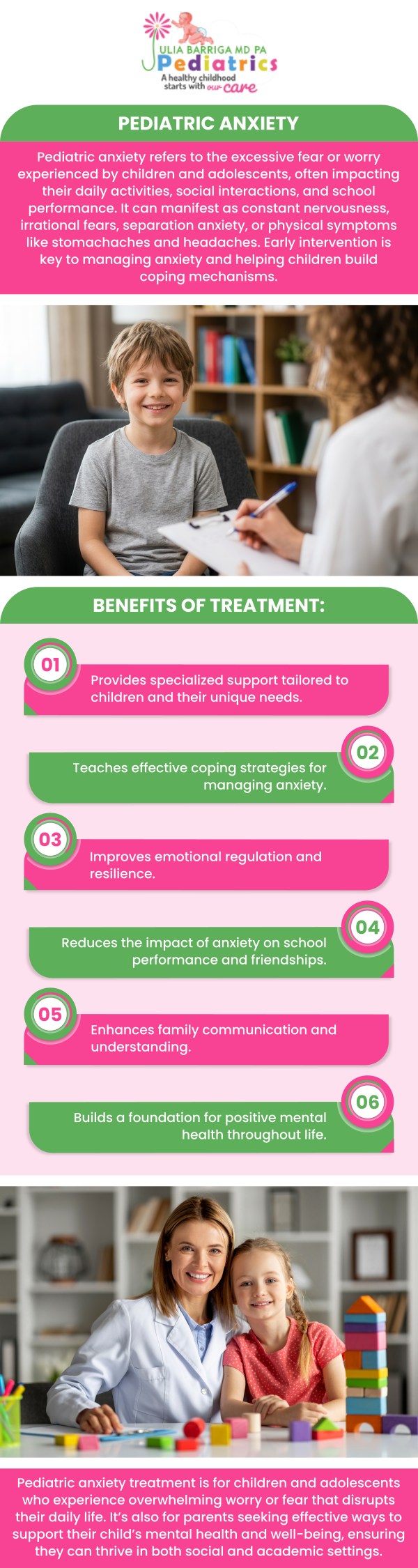
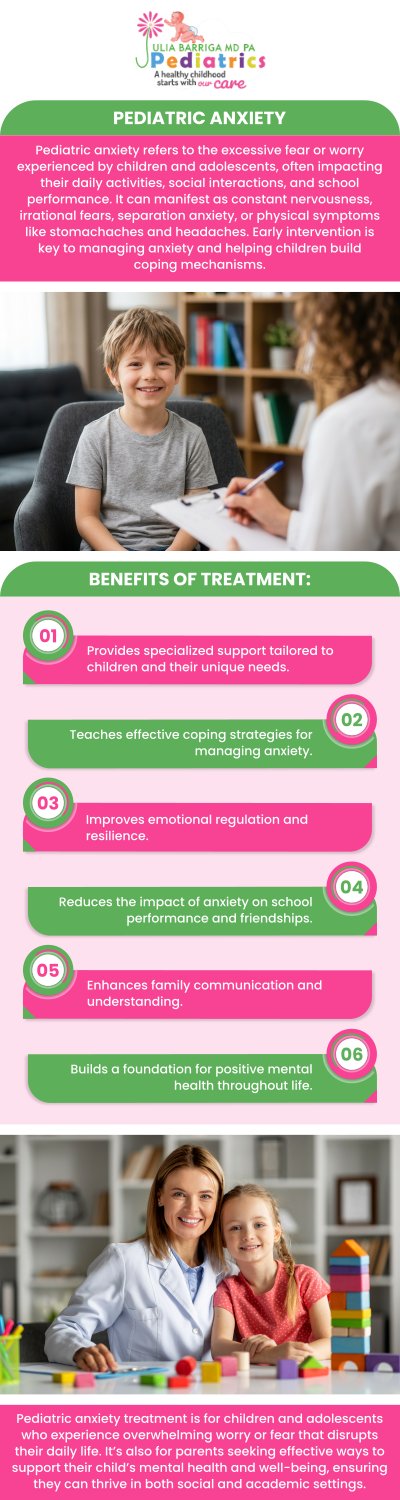
Table of Contents:
What are the typical signs of normal anxiety in children?
How can I tell if my child’s anxiety is affecting their daily life?
When should I consider seeking professional help for my child’s anxiety?
What factors can contribute to excessive anxiety in children?
Recognizing Normal Versus Worrisome Anxiety in Kids with Dr. Julia Barriga
At Julia Barriga MD PA, we understand that anxiety is a natural part of childhood development. Many children experience worries or fears about specific situations, such as starting school, meeting new people, or being away from their parents. It’s completely normal for a child to feel nervous before a big test or to be shy in unfamiliar settings.
Some children may occasionally complain of mild physical symptoms—like stomachaches or headaches—when facing new or stressful experiences. These symptoms typically resolve once the situation passes. Other common signs of normal childhood anxiety include reluctance to try new things, occasional clinginess, or frequently seeking reassurance from parents or caregivers. Sleep disturbances, such as trouble falling asleep before an exciting or stressful event, are also not uncommon.
At Julia Barriga MD PA, we reassure parents that these signs of anxiety are usually temporary and do not interfere significantly with a child’s daily activities or relationships. If your child’s fears are age-appropriate, brief in duration, and do not prevent them from participating in school or social activities, these are generally considered normal signs of childhood anxiety.
Recognizing when your child’s anxiety is impacting their daily life is crucial, and our team is here to help you identify the signs and provide support.
You might notice your child frequently expressing worries that seem excessive or persistent, especially about everyday activities such as going to school, interacting with friends, or participating in family events. If your child starts to avoid certain situations, refuses to go to places they previously enjoyed, or becomes unusually clingy or withdrawn, these can be signs that anxiety is interfering with their normal routine.
Physical symptoms are also common in children experiencing anxiety. If your child is often complaining of stomachaches, headaches, or feeling unwell without a clear medical cause, anxiety might be the underlying issue. Other signs include difficulty sleeping, changes in appetite, irritability, or sudden emotional outbursts. You may also notice changes in your child’s school performance, trouble concentrating, or reports from teachers about challenges with participation or making friends.
At Julia Barriga MD PA, we encourage you to pay attention to the duration and intensity of these symptoms. If your child’s anxiety lasts for weeks or months and impacts their ability to enjoy activities, engage socially, or keep up with school and home responsibilities, it may be time to seek professional guidance.
At Julia Barriga MD PA, we understand that it’s normal for children to experience occasional fears and worries as they grow. However, there are times when anxiety can become a concern that requires professional attention. If your child’s anxiety is persistent, intense, or begins to interfere with their daily life—such as having difficulty going to school, participating in activities, sleeping, or interacting with friends and family—it may be time to seek help.
Other signs to watch for include frequent physical complaints like headaches or stomachaches with no clear medical reason, excessive need for reassurance, or avoiding certain situations out of fear. If you notice that your child’s anxiety lasts for several weeks, gets worse over time, or leads to significant distress or changes in behavior, our team at Julia Barriga MD PA is here to help.
Early intervention is important. Our compassionate healthcare providers can assess your child’s needs and recommend appropriate support or treatment options. We are committed to helping your child develop effective coping skills and supporting their overall well-being.
At Julia Barriga MD PA, we understand that excessive anxiety in children is a common concern for many families in our community. Anxiety can arise from a combination of genetic, environmental, and psychological factors. A family history of anxiety or other mental health conditions may increase your child’s susceptibility, as inherited traits can influence emotional regulation and temperament.
Our team recognizes that environmental stressors—such as parental separation, the loss of a loved one, or transitioning to a new home or school—can significantly impact a child’s emotional well-being. Parenting styles also play a role; children who experience overly protective, critical, or inconsistent parenting may feel less confident in navigating life’s challenges, which can contribute to heightened anxiety.
Peer relationships are another important factor. At Julia Barriga MD PA, we frequently support children who are navigating issues like bullying, social exclusion, or academic pressures, all of which can lead to persistent worries and fears. Additionally, children with naturally sensitive temperaments, chronic medical conditions, or learning difficulties may be more vulnerable to anxiety.
We also help families understand the impact of media exposure. Access to frightening news or age-inappropriate content can trigger or worsen anxiety symptoms. Lastly, we emphasize the importance of teaching healthy coping strategies and providing strong emotional support, as these are essential tools for managing stress and preventing excessive anxiety from interfering with daily life.
At Julia Barriga MD PA, we understand that anxiety is a natural part of growing up, and we’re here to help parents recognize the difference between typical childhood worries and anxiety that may need extra support. Our pediatric team, led by Dr. Julia Barriga, sees children of all ages experience anxiety—whether it’s about starting a new school, making friends, or tackling new challenges. Normal anxiety is usually brief and connected to specific situations, such as feeling nervous before a big test or being hesitant to attend a sleepover for the first time. With reassurance, patience, and gentle encouragement, these worries often resolve on their own.
Sometimes, however, anxiety can become more serious. Worrisome anxiety tends to be intense, long-lasting, and can interfere with your child’s daily routines or happiness. Signs that anxiety may be a concern include frequent stomachaches or headaches with no clear medical reason, trouble sleeping, avoiding activities they once enjoyed, excessive clinginess, or even panic attacks. At Julia Barriga MD PA, we encourage parents to reach out if their child’s worries cause significant distress, persist for weeks or longer, or prevent them from attending school, joining social activities, or completing everyday tasks.
If you have concerns about your child’s anxiety, please contact Julia Barriga MD PA to schedule a consultation. We are conveniently located at 5001 East Busch Blvd Tampa, FL 33617. We serve patients from Tampa FL, Terrace FL, Thonotosassa FL, Lutz FL, Greater Carrollwood FL, Lake Magdalene FL, Westchase FL, Town ‘N’ Country FL, and surrounding cities.
Check Out Our 5 Star Reviews


Additional Services We Offer
- Dental Fluoride Varnish
- Newborn Care
- Vaccines/Immunizations
- Health Education & Counseling
- Physical Examinations
- Hearing & Vision Screening
- Management of Chronic Conditions
- Comprehensive Well Visits
- Asthma Management
- Diabetes Management
- ADD/ADHD Management
- Diagnostic Services
- Ear Piercing
- Prenatal Consults
- In House Lab Testing
- Get Acquainted Consults
- Covid Testing
- Flu Testing
- RSV Testing
- ECG
- Sports Physicals




 Send Text
 How May I Help You?